
Defining Vintage Watches
Not every old watch qualifies as ‘vintage’. Generally, a watch needs to be at least 25-30 years old to be considered vintage. This age often marks the boundary dividing contemporary gadgets from yesteryear’s treasures.
For a watch to endure over these years, it must have survived trends long enough to tell tales worth cherishing. Historical importance can mean the watch carries a groundbreaking feature: maybe it was the first to show a date, or it voyaged to the moon, or surfaced from the deepest dive.
For collectors, it’s about the stories that these timepieces whisper: of past owners and bygone eras. Beyond an heirloom’s appeal, every scratch on a vintage watch’s face was earned over events now part of history.
Imagine the dials that ticked during iconic moments or the watch that told the time to a 1965 vocalist as he wrote generation-defining lyrics. This romantic aura anchors much of the allure around why collectors pursue vintage timepieces.
Understanding what defines a watch as vintage goes beyond its blueprint. It’s about soul-searching through timelines where each tick provides a pace for stories of lore and rarities—precisely what draws collectors in.
When you wrap a vintage watch around your wrist, you’re not just sporting mechanics; you’re wearing years of innovation cradled in craftsmanship that’s emerged time-tested and teeming with tales.
The Allure of Military Watches
Military watches, specifically those from the 1940s, were designed to be reliable and ready for action. During WWII, these watches weren’t just about keeping time; they were crucial for mission synchronization, navigation, and survival. The Mark VII Pilots’ Watch is a notable example.
Initially made for RAF pilots, the Mark VII Pilots’ Watch (known as the 6B/159) was a life-saving device. It was designed with features like stark, luminescent numerals and sturdy steel casings to withstand the vigors of war.
For collectors, these pieces are attractive due to their heroic wartime service, which imbues an authentic historical richness. Every timepiece carries its battle-proven stories, making it more than just a watch, but a narrative of valor.
These military watches are also increasingly rare gems in auctions. Unlike factory-fresh watches, these vintage pieces arrive graced with a genuine whisper of historical echoes.
When you wear a vintage military watch, you’re sporting a piece of history that was once buckled on a pilot’s wrist, tasked with keeping precise time through dangerous missions. It’s about encapsulating a slice of bravery, a tick of daring through the theatrics of global conflicts.
Vintage military watches allow watch enthusiasts to not just wear a timepiece, but to carry a piece of history, wonderfully weaving horological joy with respect for the past.
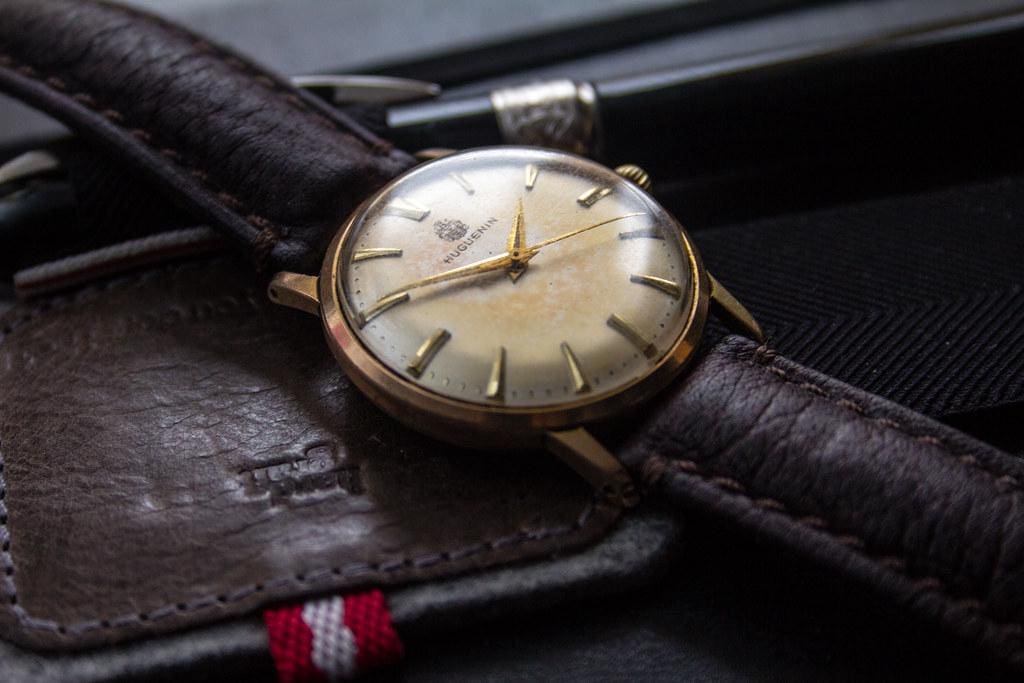
Investment Potential of Vintage Watches
Vintage watches can be a treasure of tick-tocks and a reservoir of value. Take the Rolex Datejust, for example. Since its debut in 1945, it has been highly sought after. The Datejust set the standard with its automatic date changing mechanism and has significantly appreciated over the decades. If you had acquired one of these at its inception or a pristine vintage variant from the 1960s, you’d now be holding a profit-making piece due to its iconic stature, desirability, and enduring style.
Similarly, Patek Philippe, particularly the Reference 1518 (the first perpetual calendar chronograph wristwatch in series production), has seen its auction prices soar. Original pieces have seen significant leaps from their initial sale prices.
In the broader economy of collecting vintage watches, as rarer pieces like those of Rolex and Patek appreciate, they become symbols of financial acumen—assuming they have been well-maintained. Vintage markets depend on rarity, brand reputation, preservation, and historical significance. While markets fluctuate, quality vintage pieces tend to hold their value more steadily, shielded by their legacy and craftsmanship.
Investing in watches can be more straightforward than navigating the stock market. A vintage watch trading at a bargain might appreciate significantly with the right market conditions. Historical sale records show notable potential jumps in value after significant auctions.
Beyond the financial aspects, vintage watches also offer emotional dividends. Whether worn on special occasions or kept pristine in a box, each tick and tock is a dance through history.
So, whether you’re looking for aesthetic vintage appeal, high-stake investment potential, or aiming to diversify your portfolio, a great investment might just be ticking away at a nearby auction house—ready to rise given the right mix of historical value and collector demand.
Care and Maintenance of Vintage Watches
Maintaining vintage watches not only protects your investment but ensures those whispers of history continue to captivate. The key rule is regular servicing. A vintage watch should be serviced by a watchmaker every 3 to 5 years. Ensure your watchmaker is well-versed in vintage watches.
Always opt for specialized servicing over generic solutions. These timepieces have delicate intricacies that require refined hands. Never let anyone replace the original parts haphazardly—that’s a surefire way to devalue your horological treasure.
Remember, these art pieces are usually not water-friendly. Unless explicitly stated as water-resistant, keep them dry. No showers, no swimming, and use an umbrella during rain.
Be cautious with polishing. Over-polishing can remove tiny layers of gold or other metals, potentially thinning detailed engravings and softening captivating contours. Use a soft cloth to gently remove smudges without inflicting damage.
For storage, a dust-free environment is ideal. Veteran collectors use soft, anti-tarnish cloths and watch pillows to prevent scratches.
- Replace dried-out or cracked straps promptly.
- While you might be tempted by authentic looks, quality reproductions can offer both historical allegiance and durability.
- For automatic watches, invest in a quality watch winder to keep them ticking without over-winding.
Tending to vintage watches is much like caring for a treasured possession—it requires patience, expertise, gentleness, and devoted passion. By maintaining these timepieces adequately, you’re embracing history’s heartbeat while preserving a treasure wrapped in craftsmanship and lasting appeal.
The true charm of vintage watches lies in their ability to act as conduits to bygone eras. They offer a tangible link to history, wrapped in the craftsmanship of yesteryears, and continue to tick with stories that resonate with those who cherish them. It’s this profound connection that makes collecting vintage watches a deeply rewarding pursuit, rich with emotional and historical significance.
- Bues J, Spasojevic N. The fascination with vintage watches and their increasing value over time. Int J Cult Prop. 2019;26(2):201-217.
- Thompson D. The $500,000 Watch. The Atlantic. 2018;322(1):28-30.
- Glasmeier AK. Manufacturing Time: Global Competition in the Watch Industry, 1795-2000. New York: Guilford Press; 2000.